York County Dog Registration Information
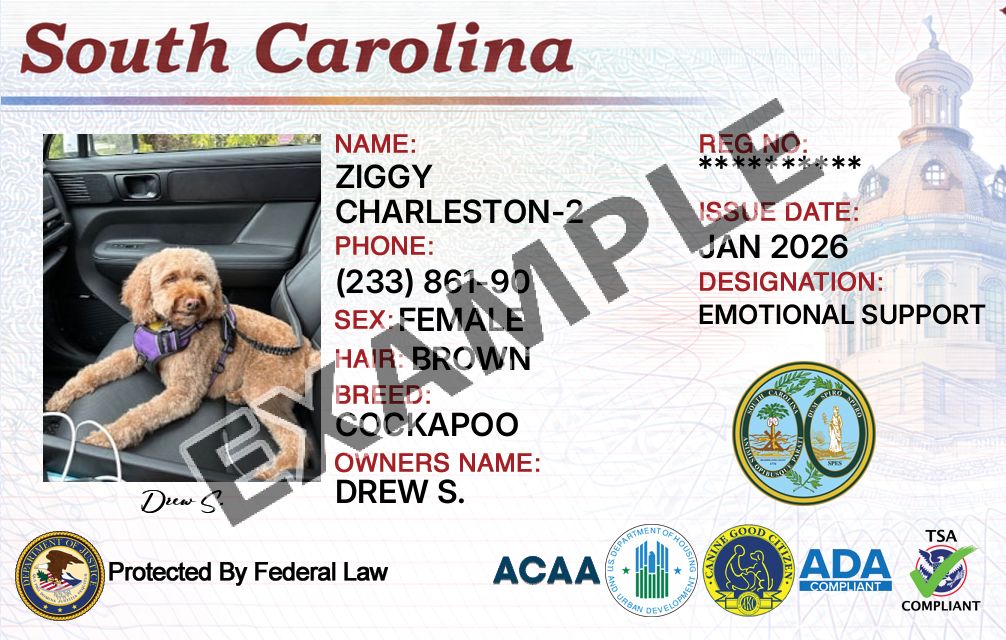
Service Dogs and Emotional Support Animals in York, South Carolina
Registering a Dog in York County, South Carolina (Service Dog or Emotional Support Dog)
If you’re asking, “where do i register my dog in York County, South Carolina for my service dog or emotional support dog”, the most important thing to know is this: there usually isn’t a single statewide “service dog registration” that makes a dog a service animal or ESA. Instead, residents typically deal with two separate (but related) areas: (1) local animal rules such as rabies compliance and any local licensing/tag requirements, and (2) the legal definitions of service animals and emotional support animals under federal/state law.
Important: Avoid “Online Registration” Claims
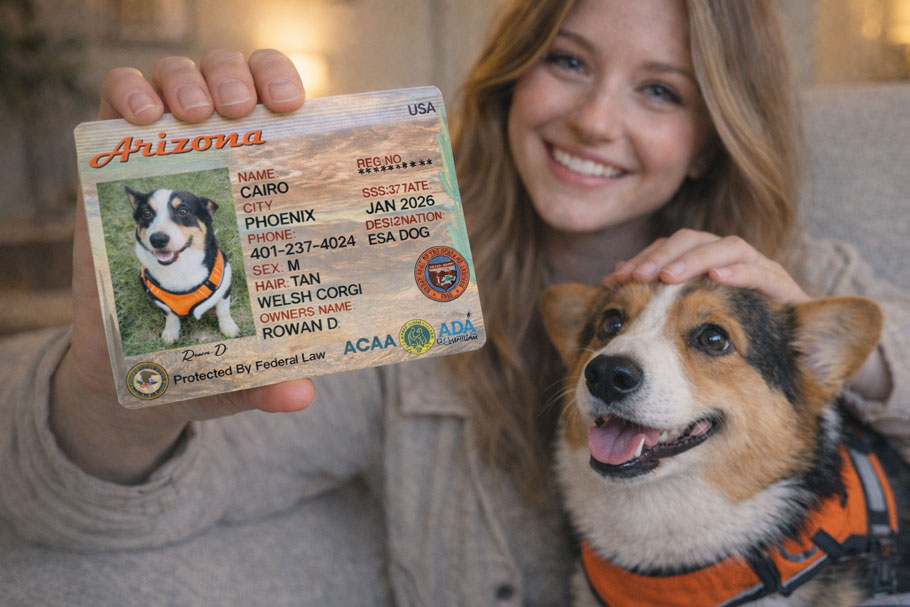
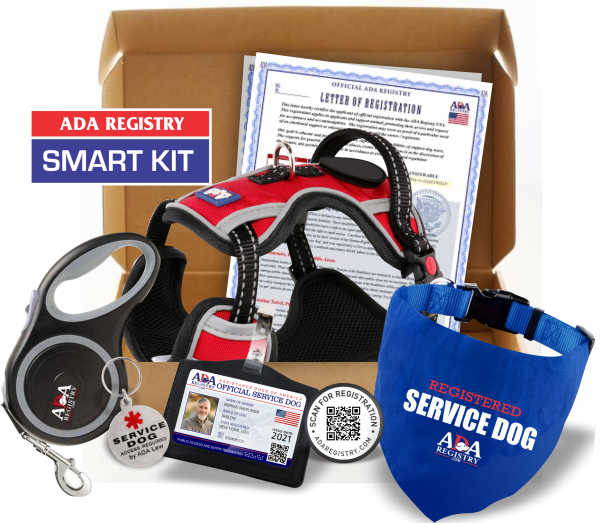
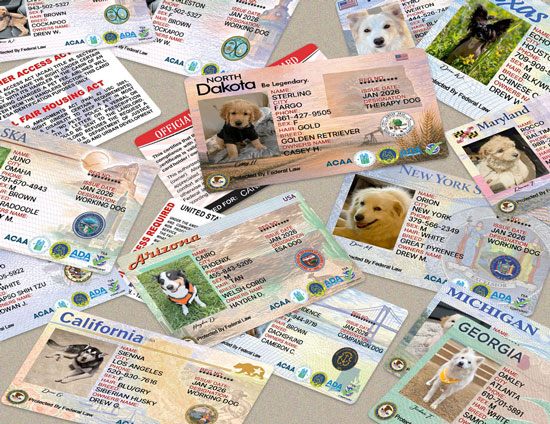
Many third-party websites sell “service dog certificates,” “ESA registries,” or “official-looking ID cards.” These are not the same as local compliance steps like a dog license in York County, South Carolina (where applicable) or keeping your dog’s rabies vaccination current. For local guidance on animal control and rabies monitoring, York County residents can start with York County Animal Services. (No third-party vendors are listed on this page.)
Where to Register or License Your Dog in York County, South Carolina
Because dog licensing and enforcement can be handled at the county or municipal level, the best starting point is the official office responsible for animal services and rabies enforcement in York County. The offices below are examples of official/local government contacts that residents commonly use to ask: where to register a dog in York County, South Carolina, how to comply with rabies rules, and where to direct animal control questions.
York County Animal Services
| Street address | 713 Justice Boulevard |
|---|---|
| City/State/ZIP | York, SC 29745 |
| Phone | (803) 628-3190 |
| Not listed (site shows “Email Animal Services” without a displayed address) | |
| Shelter hours | Mon–Fri: 10:00 a.m. – 5:00 p.m. |
| Intake hours | Mon/Tue/Fri: 11:30 a.m. – 3:00 p.m.; Thu: 12:00 p.m. – 5:30 p.m. |
Tip: Ask this office whether your address is in an area with a local licensing/tag requirement, and what documentation is required for proof of rabies vaccination.
Town of Fort Mill (Town Hall)
| Street address | 205 N. White St. |
|---|---|
| City/State/ZIP | Fort Mill, SC 29715 |
| Phone | (803) 547-2034 |
| Not listed in the cited contact page | |
| Office hours | Mon–Fri: 8:30 a.m. – 5:00 p.m. (except holidays) |
Tip: Fort Mill references York County Animal Control/Animal Services for animal control assistance and can be a helpful place to confirm the right jurisdiction.
City of Tega Cay (Administration)
| Street address | 7725 Tega Cay Drive |
|---|---|
| City/State/ZIP | Tega Cay, SC 29708 |
| Phone | (803) 548-3512 |
| Not listed in the cited document | |
| Office hours | Not listed in the cited document |
Tip: If you live inside Tega Cay city limits, start here to confirm whether any city-specific animal rules or processes apply in addition to county enforcement.
Humane Society of York County (Nonprofit; local resource)
| Street address | 8177 Regent Parkway |
|---|---|
| City/State/ZIP | Fort Mill, SC 29715 |
| Phone | (803) 802-0902 |
| contact@humanesocietyofyorkcounty.org | |
| Hours | Adoption hours vary by day (see posted schedule on their contact page) |
Note: This is not a licensing authority, but it can be a practical local contact for general guidance and referrals to the correct official agency.
Overview of Dog Licensing in York County, South Carolina
What people mean by “registering” a dog
In everyday conversation, “registering” a dog can mean several different things: registering a microchip, registering with a breeder registry, getting a rabies tag from a veterinarian, or getting a local license/tag from a city or county. For local compliance, what matters most is usually: rabies vaccination compliance and any local dog license or tag requirement that applies where you live.
Rabies is the most universal requirement
South Carolina requires owners to keep dogs (and cats/ferrets) up to date on rabies vaccination under state law, and the state public health agency explains that this is typically an annual vaccination, though multi-year vaccines may satisfy the requirement depending on the vaccine label and veterinary schedule. When your dog is vaccinated, you typically receive a rabies certificate and a rabies tag.
Local licensing varies by jurisdiction
Unlike rabies rules, licensing can be highly local. Some places require a yearly license tag, some require it only in certain areas, and some handle it through a separate municipal process. That’s why searches like animal control dog license York County, South Carolina often lead to local animal services rather than a single statewide office.
How Dog Licensing Works Locally in York County, South Carolina
Step 1: Confirm your jurisdiction (county vs. city)
Start by confirming whether you live in: unincorporated York County (county rules and enforcement) or inside a municipality (which may have additional ordinances or procedures). York County Animal Services is a practical starting point for countywide animal control and rabies monitoring questions. If you live inside a town/city, your town hall may also direct you to the correct enforcement office.
Step 2: Get a current rabies vaccination and keep your documentation
Rabies vaccination is not the same as a “service dog registration,” but it’s often the document that local agencies and landlords ask for first. Keep copies (paper or digital) of: rabies vaccination certificate and any tag information. South Carolina’s public health guidance emphasizes keeping vaccines up to date and retaining the certificate for travel and proof.
Step 3: Ask whether a local dog license/tag is required where you live
When a community requires a dog license, it typically involves: (a) completing a short application, (b) showing proof of current rabies vaccination, and (c) paying a fee (fees and exemptions depend on local rules). Because residents often move between city limits and county areas in York County, it’s best to ask directly: “Do I need a dog license in York County, South Carolina at my address, and if so, where do I purchase the tag?”
Step 4: Keep your dog under control (leash law enforcement)
Local enforcement commonly includes leash/containment expectations. York County explains that dogs off the owner’s property must be leashed or under the owner’s control, and violations can lead to fines and impound-related costs. Even if your dog is a trained service animal, local public safety rules about control and bites can still apply.
Service Dog Laws in York County, South Carolina
Service dog status is legal status, not a purchased registration
A service dog is generally defined by what the dog is trained to do—specifically, trained tasks that assist a person with a disability. The key difference is that a service dog’s legal access rights do not come from a paid registry. This is why “service dog registration” websites can be misleading: they may sell documents, but they don’t replace the actual legal definition.
What you may be asked (and what you typically should not be asked)
In many public settings, staff may focus on whether the dog is required because of a disability and what tasks the dog is trained to perform. They generally should not demand medical records or require you to show an “official certificate” as the only proof. In practice, you should still be ready to show rabies proof when dealing with animal control, travel requirements, or certain housing situations.
Service dogs and local licensing/rabies compliance
Even when a dog is a legitimate service dog, local rules about rabies vaccination and any applicable animal control dog license York County, South Carolina requirements may still apply. Think of it this way: service dog laws cover access and accommodation; licensing/rabies rules cover public health and identification.
Emotional Support Animal Rules in York County, South Carolina
ESAs are different from service dogs
An emotional support animal (ESA) provides comfort by presence and is typically connected to housing accommodations rather than broad public-access rights. ESAs are not the same as service animals trained for specific disability-related tasks. This distinction matters because an ESA generally does not have the same access rights in public places that a trained service dog may have.
Housing documentation vs. animal licensing
ESA-related paperwork is usually about housing accommodations and may involve documentation from a qualified professional. That is separate from local compliance steps like: getting your dog vaccinated for rabies and asking your local office whether a license tag is required. If you are trying to “register” an emotional support dog, clarify whether you mean: (1) request a housing accommodation or (2) obtain local tags/licensing for identification and compliance.
Practical compliance checklist for ESAs
- Keep rabies vaccination current and retain the certificate.
- Confirm whether your location requires a local license/tag, and renew on time if required.
- Maintain control in public (leash/containment rules still apply).
- Use official local agencies for animal control questions—not third-party “registries.”
Frequently Asked Questions
Start with York County Animal Services for county animal control and rabies monitoring questions, and confirm whether your address has any local dog license in York County, South Carolina requirement. A service dog’s legal status generally comes from the dog being trained to perform disability-related tasks, not from a paid online registry.
If your goal is “proof,” the most universally useful documents are rabies vaccination proof and any required local license/tag—not a purchased certificate.
ESA needs are usually tied to housing accommodation processes, not a public “registration” system. Separately, you should still keep your dog compliant with local rules (rabies vaccination and any applicable license/tag requirements). If you are unsure where to start, ask the official local animal services office: where to register a dog in York County, South Carolina for local compliance.
Yes. South Carolina public health guidance states that owners are required by state rabies law to keep dogs (and cats/ferrets) up to date on rabies vaccination. Vaccines may be labeled as 1-year or 3-year, and your veterinarian can advise the correct schedule and documentation to keep.
York County describes leash law enforcement through its animal services functions and indicates dogs off the owner’s property are required to be on a leash or under control. For local questions, start with York County Animal Services.
To get the fastest answer, be ready with:
- Your exact address (to confirm jurisdiction and whether you’re in city limits or unincorporated county).
- Your dog’s rabies vaccination date and expiration date from the certificate.
- Whether the dog is a pet, a trained service dog, or an emotional support animal (for context—this may not change licensing, but helps staff guide you).
- What you need: a tag, renewal, replacement tag, or confirmation of requirements.
Disclaimer
Licensing requirements and office locations may change. Residents should verify details with their local animal services office within York County, South Carolina.
What You May Need
- rabies vaccination proof
- identification
- proof of residency
- licensing fee
Local Reminder
If your question is really “where do I register my dog in York County, South Carolina for my service dog or emotional support dog,” try separating it into two actions: (1) confirm local compliance (rabies + any required license/tag) and (2) understand the legal definitions of service dogs vs. ESAs for access and housing situations.
Register A Dog In Other South Carolina Counties
Select your county below to get started with your dog’s ID card. Requirements and license designs may vary by county, so choose your location to see the correct options and complete your pup’s registration.
- Abbeville County Dog Registration
- Aiken County Dog Registration
- Allendale County Dog Registration
- Anderson County Dog Registration
- Bamberg County Dog Registration
- Barnwell County Dog Registration
- Beaufort County Dog Registration
- Berkeley County Dog Registration
- Calhoun County Dog Registration
- Charleston County Dog Registration
- Cherokee County Dog Registration
- Chester County Dog Registration
- Chesterfield County Dog Registration
- Clarendon County Dog Registration
- Colleton County Dog Registration
- Darlington County Dog Registration
- Dillon County Dog Registration
- Dorchester County Dog Registration
- Edgefield County Dog Registration
- Fairfield County Dog Registration
- Florence County Dog Registration
- Georgetown County Dog Registration
- Greenville County Dog Registration
- Greenwood County Dog Registration
- Hampton County Dog Registration
- Horry County Dog Registration
- Jasper County Dog Registration
- Kershaw County Dog Registration
- Lancaster County Dog Registration
- Laurens County Dog Registration
- Lee County Dog Registration
- Lexington County Dog Registration
- Marion County Dog Registration
- Marlboro County Dog Registration
- McCormick County Dog Registration
- Newberry County Dog Registration
- Oconee County Dog Registration
- Orangeburg County Dog Registration
- Pickens County Dog Registration
- Richland County Dog Registration
- Saluda County Dog Registration
- Spartanburg County Dog Registration
- Sumter County Dog Registration
- Union County Dog Registration
- Williamsburg County Dog Registration